
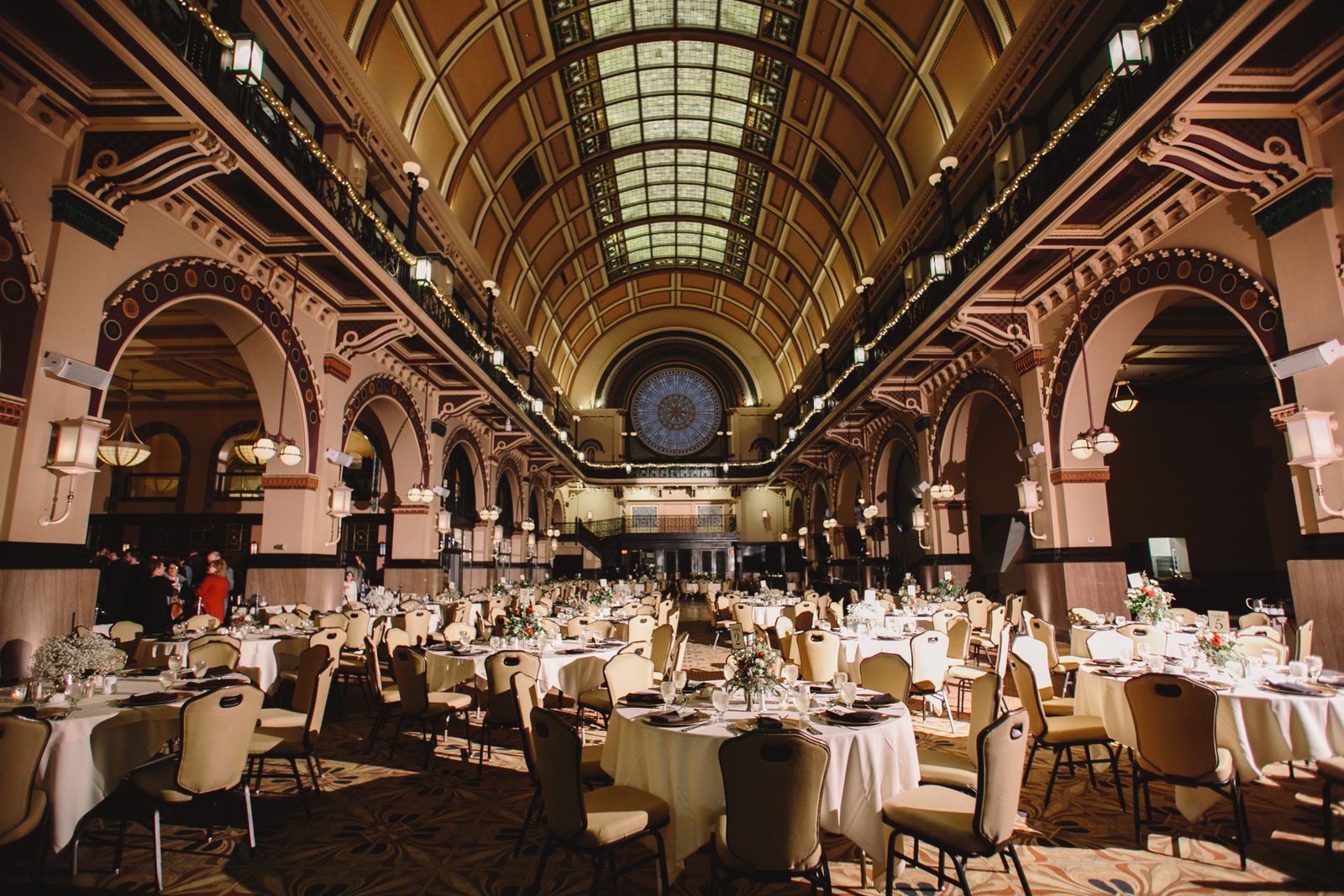
It's one of the first questions on almost every brief: how many ushers per guest do we actually need? There's no single magic number. A seated gala dinner for 400 at a Dubai hotel and an arena concert on Yas Island need very different usher teams, even if you scale the guest count.
What you can do is work out ushers per guest with a repeatable method. Here's how we size teams of event ushers in Dubai and Abu Dhabi, and the mistakes that leave guests wandering corridors.
Why "ushers per guest" is the wrong starting point
Headcount alone tells you very little. Ushers aren't spread evenly across an event; they cluster where decisions happen: doors, junctions, stairs, lifts, seating blocks and exits. Two events with identical guest numbers can need very different teams because:
- Arrival pattern differs. If 80% of guests arrive in a 30-minute window, you need far more people at the front than if arrivals trickle in over two hours.
- Venue layout differs. A single-level ballroom needs fewer guides than a multi-floor venue with separate VIP, press and general entrances.
- Seating differs. Allocated seating (tables, numbered rows) needs more ushers than free seating or standing formats.
So instead of asking how many ushers per guest, start with "how many posts do I need to cover, and at what times?"
A practical method for working out ushers per guest
Step 1: Map every pinch point
Walk the venue plan (or the venue itself) and mark every point where a guest might hesitate:
- Drop-off and car park exits
- Main entrance and any secondary entrances
- Escalators, lifts and stairwells
- Corridor junctions and the doors into each hall
- Seating sections or table zones
- Toilets, prayer rooms and cloakrooms
- Emergency exits that need a calm presence during egress
Each of these is a potential usher post. Some need one person, some need two.
Step 2: Estimate your peak arrival window
Check the run of show: when do doors open, and when does the programme start? The tighter that window, the more ushers you need at entrances and seating. Staff for the busiest 30 minutes, not the average.
Step 3: Apply a starting ratio of ushers per guest, then adjust
As a planning starting point only, many event teams use broad ushers per guest ranges like these (excluding security and registration):
| Event format | Starting point for planning |
|---|---|
| Seated gala dinner with table allocation | Roughly 1 usher per 50–75 guests |
| Conference with plenary and breakouts | Roughly 1 usher per 75–100 delegates |
| Theatre-style show with numbered seating | Roughly 1 usher per 75–100 guests |
| Standing reception or brand launch | Roughly 1 usher per 100–150 guests |
| Large concert or festival-style event | Built from posts and crowd plan, not a flat ratio |
Treat any ushers per guest figure as a sense check, not a rule. Your pinch-point map from Step 1 always wins. If you've identified 14 posts, you need at least 14 ushers on post, plus cover.
Step 4: Add relief and floaters
People need breaks, and UAE events run well past the main programme once you include setup and egress. Plan for:
- Break cover: roughly one extra person for every six to eight on fixed posts, so posts never go empty.
- Floaters: one or two experienced ushers who move to wherever queues form.
- A team lead: one point of contact on radio who can redeploy people quickly.
Step 5: Re-plan for the second peak
Most events have two pressure moments: arrival and departure. Egress is often faster and more chaotic, as guests head for valet, taxis or shuttles at once, so shift usher posts towards exits and transport points for the final hour.
Factors that push usher numbers up
- VIP or protocol requirements. Dedicated escorts for VIPs take people out of the general pool.
- Multiple languages. If you have a mixed Arabic, English and international audience, you may want specific language coverage at key posts.
- Families and children. Family events in the UAE often need extra hands around seating, toilets and lost-child points.
- Split venues. Events across several halls, as is common at ADNEC in Abu Dhabi or Dubai World Trade Centre, need guides between spaces.
- Concerts and arena shows. At venues such as Etihad Arena, ushers work alongside licensed event security and access control staff and the venue's crowd plan.
Factors that can bring numbers down
- Clear, well-placed signage and digital wayfinding
- Free seating or standing formats
- Strong registration flow, so guests arrive at the hall already oriented
Common usher staffing mistakes
Staffing to the average, not the peak. The event feels calm at 9pm, but the 7:15pm rush is where guest experience is won or lost.
Mixing roles without saying so. If ushers are also expected to scan tickets or manage a cloakroom, that needs to be in the plan and the headcount. Dedicated hostesses and registration staff free ushers to focus on seating.
Briefing too late. Ushers who see the floor plan for the first time at doors open can't guide anyone confidently. Our guide on how to brief event staff sets out a pre-shift template, and planning the right event crew covers matching roles to the guest journey.